Premium gin
The pursuit of premium gin has evolved. Beyond price, a gin’s value lies in its origin, its production and the character it expresses in every glass.
Within this context, new distillation techniques, innovative ingredients and, above all, one essential question emerge: what really makes a gin premium?
What makes a gin premium
In most traditional gins, the base is a neutral grain alcohol. In more innovative offerings, however, such as wine-based gins, the origin of the alcohol completely transforms its profile and character.
The alcohol base
Grain gin vs wine-based gin
Grain delivers a drier, more neutral profile, whereas grapes bring a rounder, more aromatic and structured one.
Wine-based gin introduces nuances that can’t be replicated from neutral alcohol. In the case of Garnacha, it adds texture and a fuller sensation on the palate.
The botanicals and the aromatic language
What each botanical brings
Botanicals play an essential role in shaping the spirit’s aroma: juniper is the backbone, citrus brings freshness, herbs (thyme, fennel) give a sense of place and fruit provides balance.
When the botanicals are local, the product stops being generic and starts to speak of a specific place.
How premium gin is made
Cold maceration
It extracts aromas without degrading them.
Redistillation
It integrates the botanicals rather than layering them on top.
Small batches
Real control over the result. These three elements are what set a carefully crafted product apart from an industrial one.
Frequently asked questions
What is a premium gin?
We could say a premium gin is one whose production pays special attention to the quality of the raw materials and to the final profile of the spirit. The choice of alcohol, the botanicals and the production method largely determine its personality.
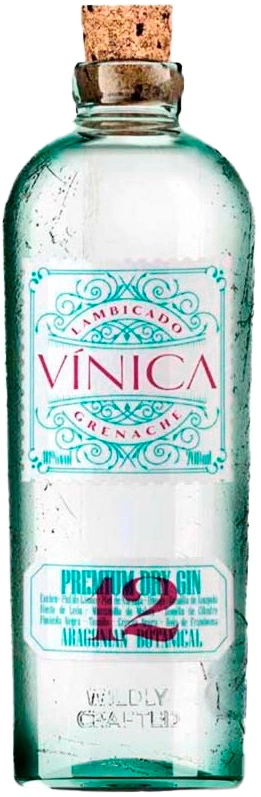
Some stand out for their juniper, others for citrus or spices. There are also productions that start from less common raw materials, such as Vínica, a gin made with garnacha wine alcohol from Aragón.
What sets it apart from a conventional gin?
The difference lies in the starting raw material, the origin of the ingredients, the selection of botanicals and the decisions made during distillation.
In a good premium gin, both intensity and balance matter. The goal isn’t necessarily to pile up aromas, but to make them work together in the glass.
How is a premium gin made?
Each distillery has its own method. The process starts from an alcohol base to which the botanicals that will define the gin’s character are added. How those ingredients are worked shapes the final result.
Vínica uses a base of garnacha wine alcohol and works its 12 botanicals through cold maceration and redistillation. A process carried out in Cariñena, a region historically linked to the vineyard and to this grape variety.
What ingredients does it contain?
Juniper is the essential ingredient. From there, each gin develops its own combination of botanicals: herbs, seeds, spices, citrus or flowers, among others.
This selection largely defines its aromatic profile. Vínica brings together regional botanicals that add their nuances to the spirit and accompany a base uncommon in the category: alcohol derived from Aragonese garnacha wine.
How important is the base alcohol in a gin?
Much more than it might seem. The base alcohol is the starting point on which the entire spirit is built.
Many gins start from neutral grain alcohol. Vínica starts from garnacha wine from Aragón. That choice defines it as a wine-based gin and connects its production directly to the region where it is born.
How do you choose a good premium gin?
It’s worth looking at information about how it’s made, knowing its main ingredients, and finding a profile that matches your own taste.
Those who prefer dry, classic flavors will find options strongly defined by juniper. Others develop more citrusy, herbal or spiced profiles. And some, like Vínica, find their personality in the raw material itself, with garnacha as the starting point.
How is a premium gin served?
Serving it should respect the gin’s character. Plenty of ice helps maintain the temperature, while an overly sweet or aromatic tonic can mask the spirit’s nuances.
Vínica proposes a particular way of serving it: the Vintonic. In a wine glass, with plenty of ice, quality tonic and fresh grapes. A simple gesture that restores the connection between this garnacha gin and the world it comes from.