5 mistakes that ruin your gin-tonic
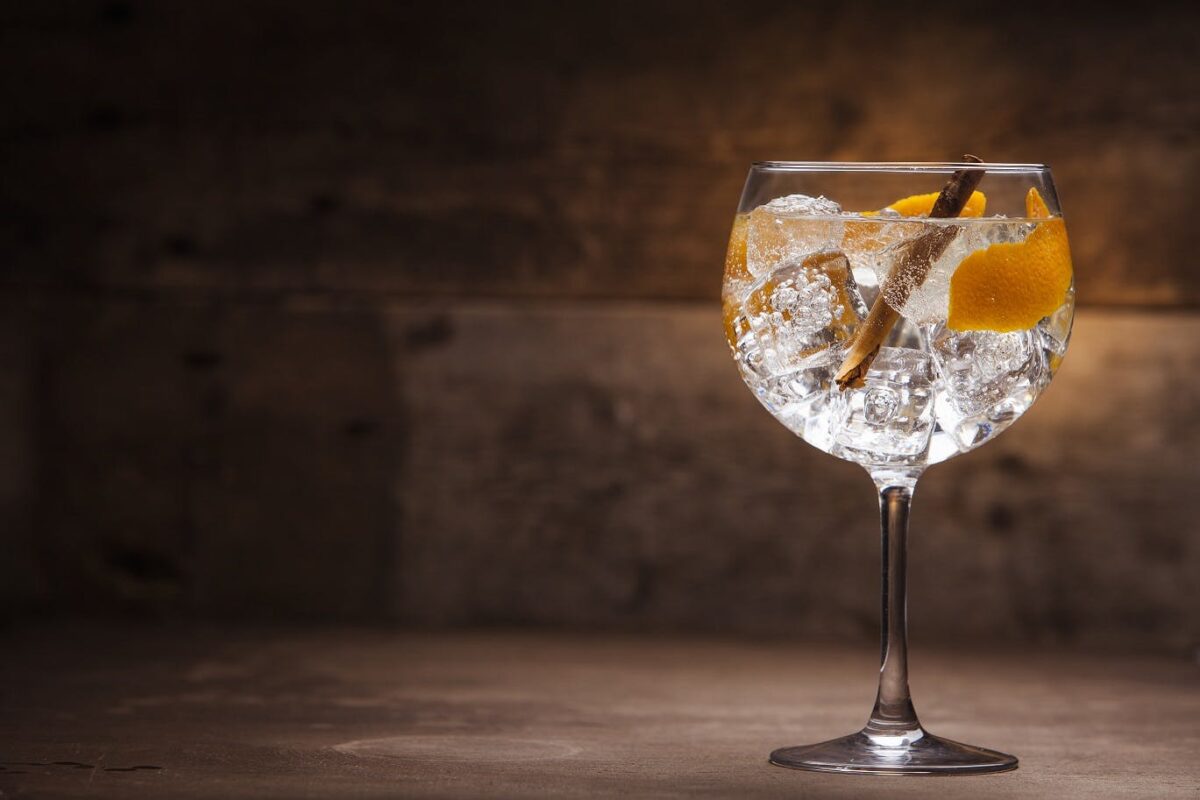
The gin-tonic has a reputation for being an easy drink. And it is. It doesn’t require advanced technique, fancy tools, or a professional home bar. The problem is precisely that: because it seems simple, most people prepare it without thinking too much about it. And that’s where the mistakes begin.
The difference between a decent glass and one that tastes like sparkling water usually comes down to small details: the ice, the proportions, the temperature, even how long you wait before the first sip.
There are five mistakes that appear constantly. Some are small. Others completely change the experience.
Not knowing what the gin is made from
Very few people ask this when buying a bottle, and yet it’s one of the decisions that most affects the final drink: the base alcohol.
Most gins are made with grain alcohol, wheat, barley, rye, because it provides a neutral, clean base that leaves room for the botanicals. It works perfectly and has dominated the category for decades.
But there are other approaches.
Some gins, such as Vínica, use grape-based alcohol made from Garnacha wine. And that changes the texture from the very first sip. The entry is broader, the mouthfeel rounder, and the finish less aggressive than in many grain-based gins.
That doesn’t automatically make one gin better than another. It simply changes the character of the drink. Just as wine changes depending on the grape variety used.
And once you notice it, it’s hard to stop noticing it.
Freezer ice
It happens more often than you’d think. Small, soft ice cubes carrying the smell of a domestic freezer.
Ice absorbs aromas. If it has spent weeks sitting next to fish, leftovers, open bags, or cooked food, it brings all of that into the glass. The problem is that many people have become so used to it they no longer notice.
Then there’s the size.
Small ice melts quickly. And when it melts quickly, it dilutes quickly. Within minutes, the drink loses tension, loses coldness, and loses structure.
That’s why bars that care about what they serve use large, solid ice cubes: they keep the drink cold without watering it down immediately.
A good gin-tonic should evolve slowly. Not fall apart in three minutes.
The wrong tonic or too much of it
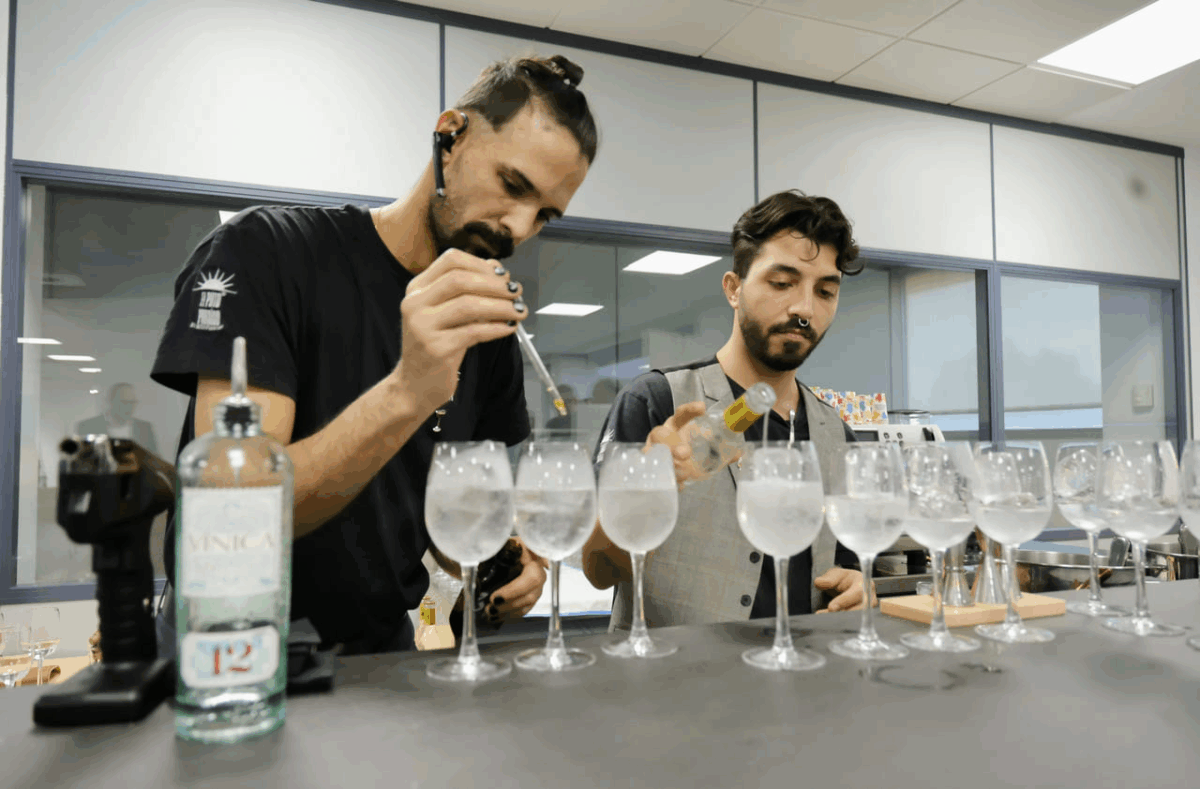
Tonic water is not there to simply fill the glass. It has bitterness, sugar, carbonation, and its own aromatic profile. Depending on which one you use, it can either support the gin or completely overpower it.
An excessively bitter tonic flattens delicate nuances. One that’s too sweet makes everything taste the same.
This becomes even more noticeable with subtle gins, especially grape-based ones. Their aromas are softer and the texture more delicate, so an aggressive tonic can erase half the drink.
That’s why a dry, clean, non-invasive tonic usually works best.
And then there’s the quantity.
The classic reference is three parts tonic to one part gin. Many people pour far more tonic than they realize. The result is often a huge glass overflowing with carbonation where the gin barely appears.
Turning the glass into a fruit bowl
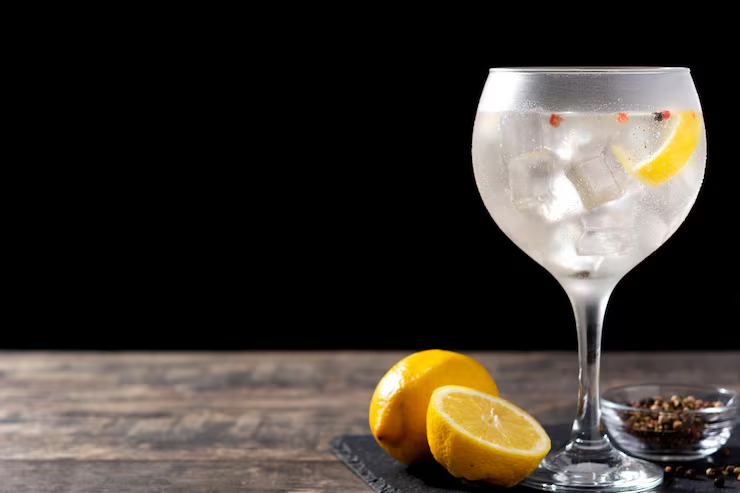
Garnishes have one specific function: to support what already exists in the drink. Not to disguise it.
A thin lemon peel can lift certain botanicals. Fresh grapes work especially well when the gin has a wine-based spirit. In those cases, it makes sense.
The problem starts when strawberries, grapefruit, peppercorns, rosemary, licorice, cucumber, mint, and half the pantry all end up in the same glass.
Every element competes with the previous one. Aromas clash and the result becomes confusing. Nothing truly stands out.
And there’s something else difficult to ignore: an overloaded glass often feels designed more for a photo than for drinking.
Drinking it immediately after serving
Thirty seconds change a drink much more than most people think.
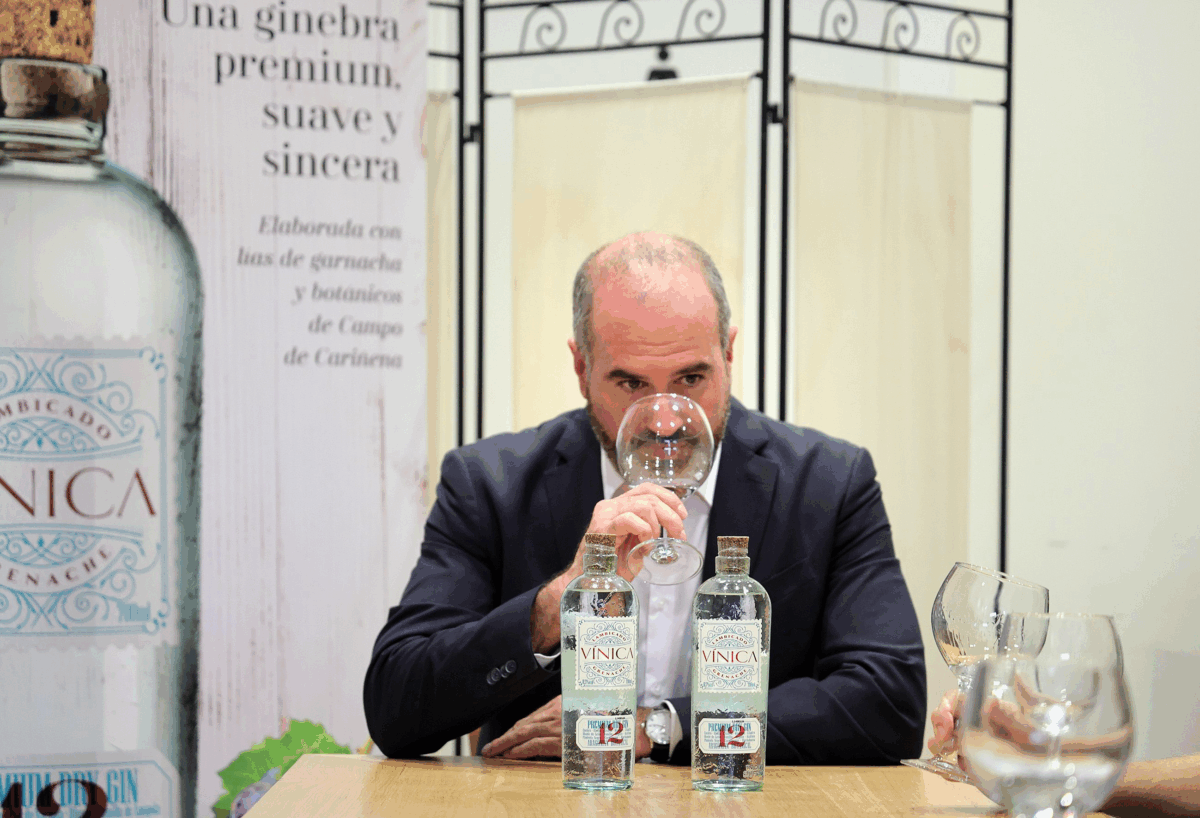
In that short time, the cold stabilizes, the carbonation integrates properly, and the aromas begin to open up. Botanicals need a little temperature to express themselves; immediately after serving, everything is often too closed.
That’s why, in places where the drink is genuinely well cared for, there’s always a brief pause before the first sip.
If you ever order one at Boka or La Zarola, pay attention to that. The ice is right. The proportions are measured. The glass has space. And nobody rushes to drink it immediately.
That’s not accidental.
Frequently asked questions about gin-tonics
What is the most common mistake when making a gin- tonic?
Assuming all gins are the same. The base alcohol dramatically changes the texture and profile of the drink. A grain-based gin behaves very differently from a wine-based gin made from Garnacha grapes.
What kind of ice works best?
Large, solid, odor-free ice cubes. Small ice melts too quickly, and domestic freezer ice often absorbs unwanted smells.
How much tonic should a gin & tonic contain?
As a starting point, three parts tonic to one part gin. From there, it can be adjusted, but once the tonic dominates, the gin disappears.
Should you wait before drinking it?
Yes. Thirty seconds are enough for the carbonation, temperature, and aromas to balance properly. The drink changes noticeably during that time.
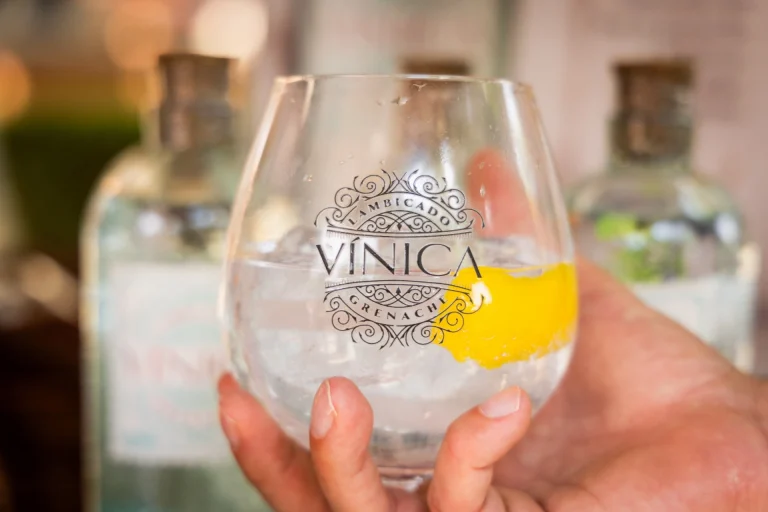
At Vínica, we’ve spent a long time obsessed with one very simple idea: a good gin doesn’t need disguising. That’s why we work from the base, literally. Our premium gin is born from Aragonese Garnacha wine and distilled in Cariñena together with 12 regional botanicals to create a smooth, clean, and balanced drink.
Because a great gin- tonic isn’t about doing more things, it’s about doing the important things better.
Share this post: