How a premium gin is made
In this article we want to tell you how the sum of small details makes up a premium gin:
The origin of gin
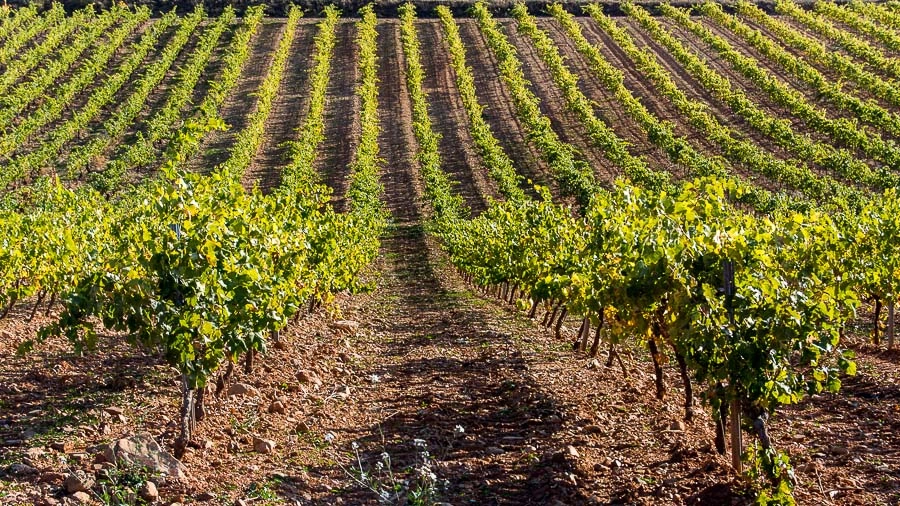
Every gin is born from a neutral base alcohol obtained by fermenting and distilling agricultural products rich in sugars or starch. The most common is the use of cereals such as wheat, barley or corn, which provide a dry, clean profile; however, in regions with great winemaking tradition like ours, it is very common to use wine-based alcohol, that is, coming from the grape, which gives the gin a silkier texture in the mouth.
This alcohol is rectified until it has practically no flavour, acting as a “blank canvas” so that, in a second distillation, juniper berries and botanicals enhance it with their definitive aroma and flavour.
The botanicals
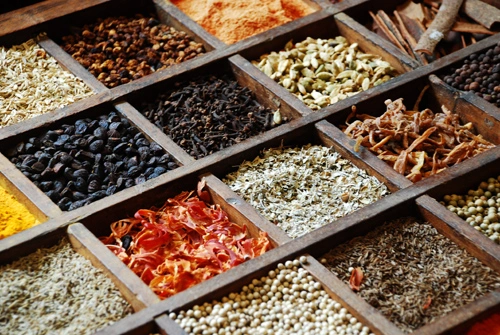
Botanicals are the plants, spices, roots and citrus fruits that build the personality of each gin. Juniper is the essential base of gin. Without juniper there is no gin.
There are two main ways of extracting aroma:
Maceration
The botanicals are submerged in the alcohol; the extraction is deep and intense. It requires fine control to avoid bitter or vegetal notes.
Vapour infusion
The alcoholic vapour passes through the botanicals and drags lighter aromas. The profile is usually more ethereal.
A premium gin can use one method or the other. As in everything, the decisive part lies in the details:
- Maceration times adjusted to each botanical
- Temperature control
- Calibrated proportions
- Real selection of ingredients, not a generic mix.
The cut
In the distillation process, the liquid is heated so that the alcohol evaporates and then condenses. And this is where the cut comes into play, which is precisely the transition point where the distiller decides to separate which part of the liquid is kept for the gin and which part is discarded or reprocessed.
- Heads: these are the first vapours to condense. They contain highly volatile alcohols and acetates. They are the compounds that provide a pungent smell and an excessively strong or metallic flavour. They are discarded for safety and flavour.
- Heart: this is the intermediate phase of the cutting process. It is the highest-quality alcohol where the clean aromas and smoothness are concentrated. This is the only component used for premium gin.
- Tails: when the alcohol level drops and the temperature rises, fusel oils and heavy compounds begin to appear. These provide bitter, earthy flavours and an oily texture that ruins the sensory profile.
Origin of the flavouring
The regulations distinguish 3 main categories: gin, distilled gin and London gin.
Gin
- Essences or extracts are added.
- No redistillation required.
- Legal method, but technically basic.
Distilled gin
- Requires redistilling the alcohol with natural botanicals.
- Greater aromatic integration.
London gin
- Mandatory redistillation with all the botanicals.
- Colourings prohibited.
- Maximum limit of 0.1 g/L of sugar if the term “dry” is used, which indicates a distillate without added sugars after distillation.
The premium difference:
- Adding aromas is not enough.
- Real redistillation is required.
- Added sugar is controlled.
- Natural balance is sought, not later correction.
The finishing
After distillation comes the final adjustment: dilution with quality water, possible filtering and, in some cases, a brief rest before bottling.
In less careful gins, this phase serves to correct what went wrong:
- Sugar to round off
- Additives to soften
- Adjustments to disguise imbalances
In a well-made gin, this stage is highly technical. It is readjusted until the expected flavour is found.
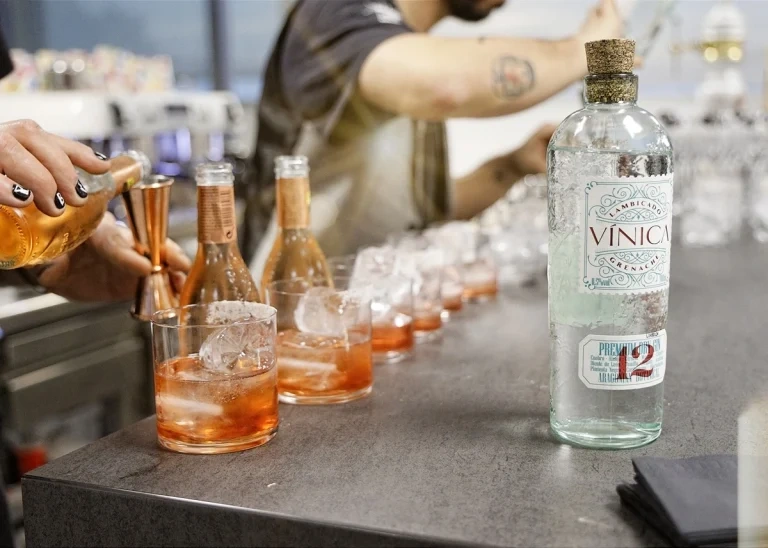
The machinery behind the production process
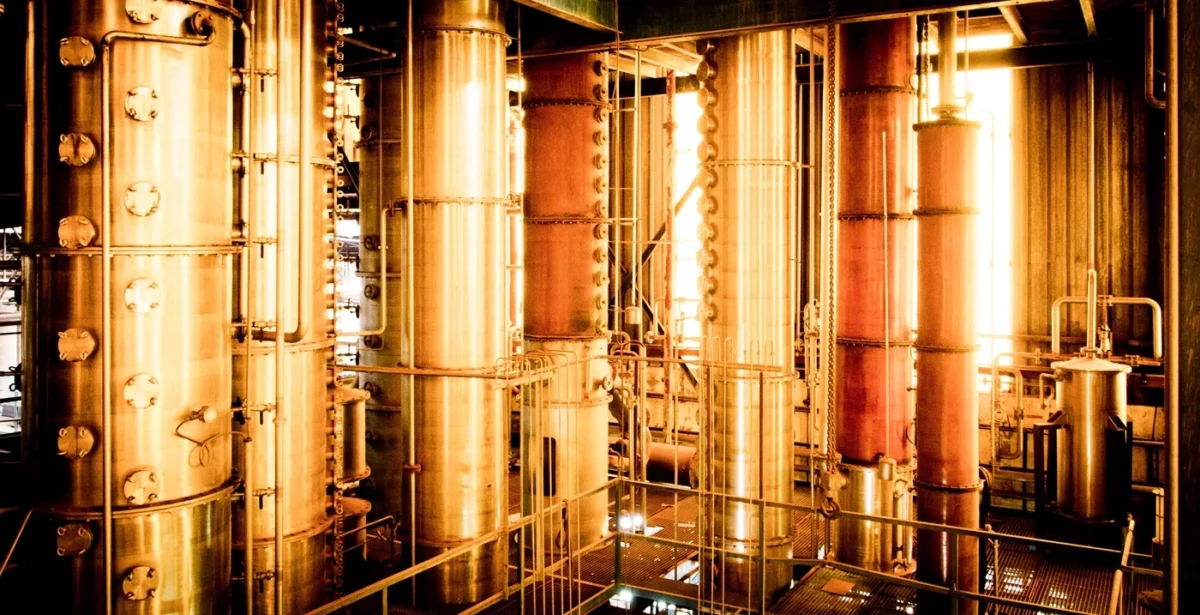
A premium gin does not depend only on the recipe. It also depends on the equipment that makes a clean and stable base possible. In a distillery like Destilerías San Valero, the process starts with the reception of pomace, lees and wine coming from local wineries, which pass quality checks before entering the factory.
The key part of the machinery is in the storage pits, the automatic dosing and conveyor belt systems, and above all in the dealcoholisation and distillation equipment, where the alcohol is separated from the rest of the raw material. Afterwards, that alcohol passes through rectification columns that purify and adjust it until obtaining a high-strength, very clean alcohol.
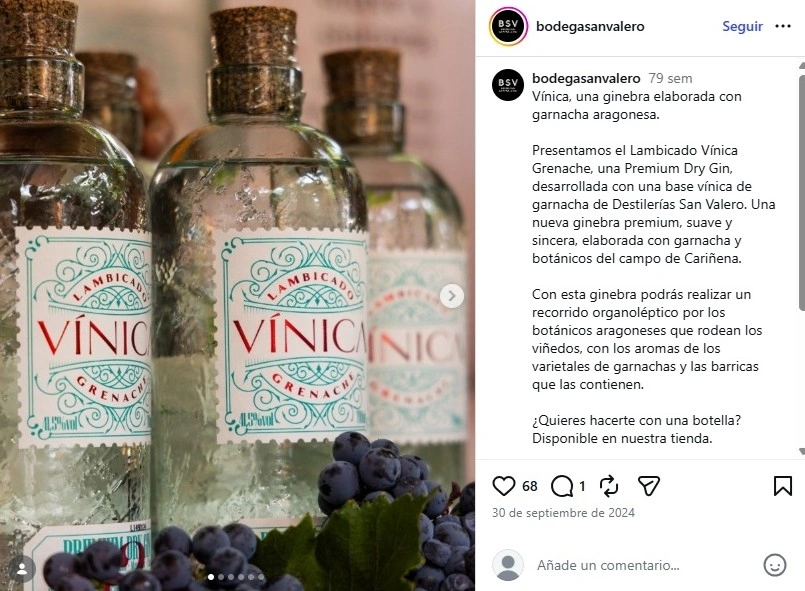
What is clear is that choosing a premium gin is deciding that the moment deserves something better than a generic alcohol. Valuing the origin of the grape or the cereal, the purity of the distillate and the character of the local botanicals is, ultimately, a way of tasting our own land. Vínica is premium gin for you to live an authentic experience. Would you like to try it?
Share this post: