How to tell a premium gin from an industrial one: a guide for connoisseurs
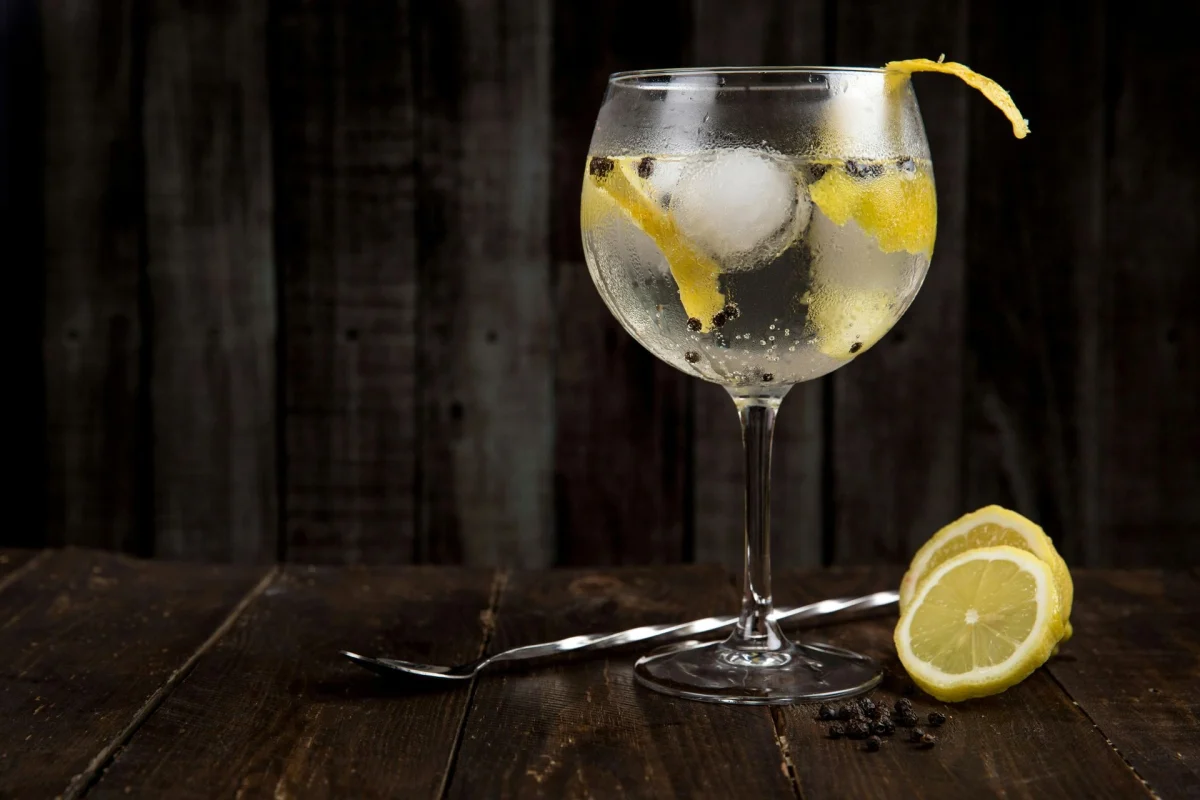
Gin is living a golden age. Bars and restaurants offer extensive menus with references from all over the world, and the shelves of specialised shops are full of eye-catching options. But in this sea of bottles, the big question arises: how do you know if a gin is truly premium or simply an industrial one with good marketing?
If you are one of those who appreciate quality in every sip, this guide will give you the keys to distinguishing a premium gin from a standard one, from the production process to its sensory profile.
1. The origin of the base alcohol: grain or grape?
One of the most distinguishing factors in a premium gin is its base alcohol. Most industrial gins use neutral grain alcohol (wheat, corn or barley), refined to such an extent that its influence on the flavour is minimal. In contrast, premium gins opt for wine, potato or even apple bases, which provide greater complexity and smoothness.
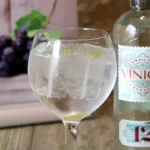
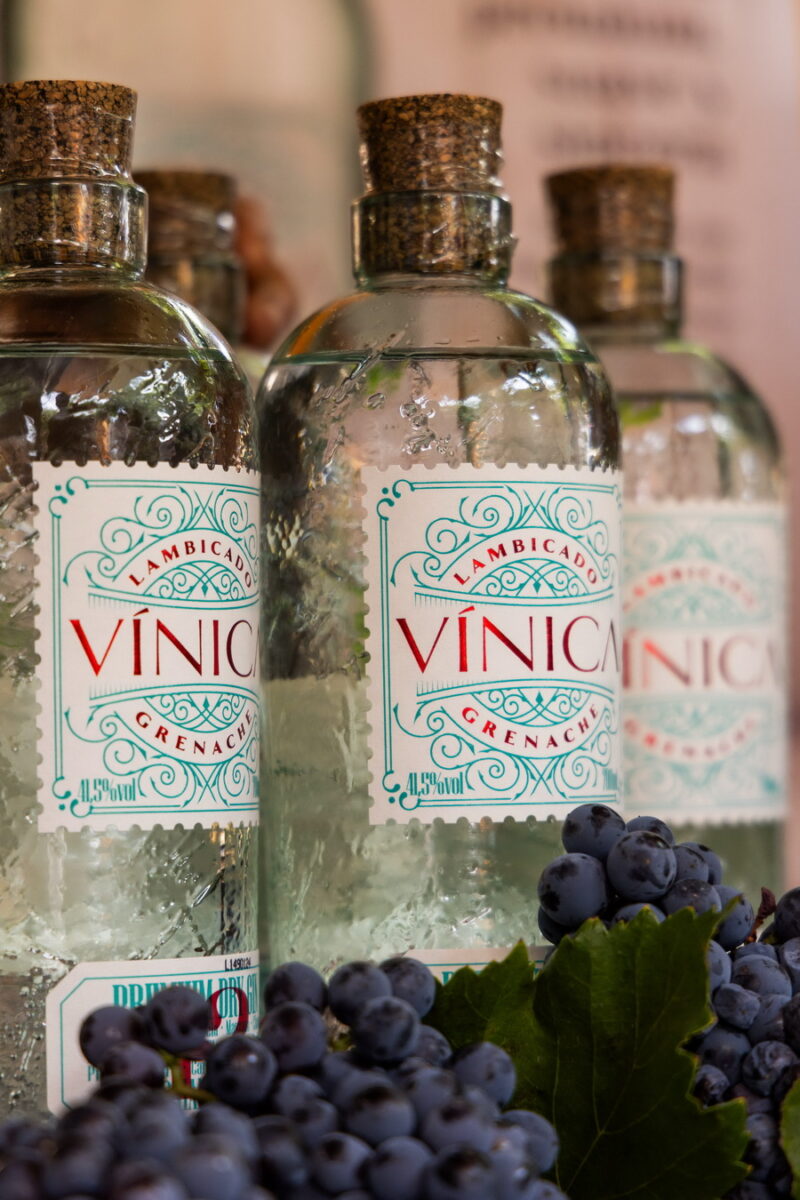
Example: Gins like Vínica, made with a Garnacha grape base, offer a rounder profile, with fruity nuances and a silkier texture in the mouth.
2. Distillation: number of passes and still
The difference between a premium and an industrial gin also lies in its distillation method. Industrial gins are usually distilled in large columns, where production is massive and the flavour profile is flatter. In contrast, premium gins opt for:
- Multiple distillations: A quality gin usually goes through several distillations to refine the alcohol and remove impurities.
- Copper stills: This material is key in artisan distillations, as it retains sulphides and other undesirable compounds, giving a cleaner and more aromatic result.
Artisan gins often use cold maceration before distillation, allowing the botanicals to release their essential oils more effectively.
3. Botanicals: quality and origin
A premium gin is distinguished not only by juniper, but by the selection and proportion of its botanicals. While an industrial gin may use artificial extracts or synthetic essences for flavouring, a premium gin opts for natural ingredients, often of local origin.
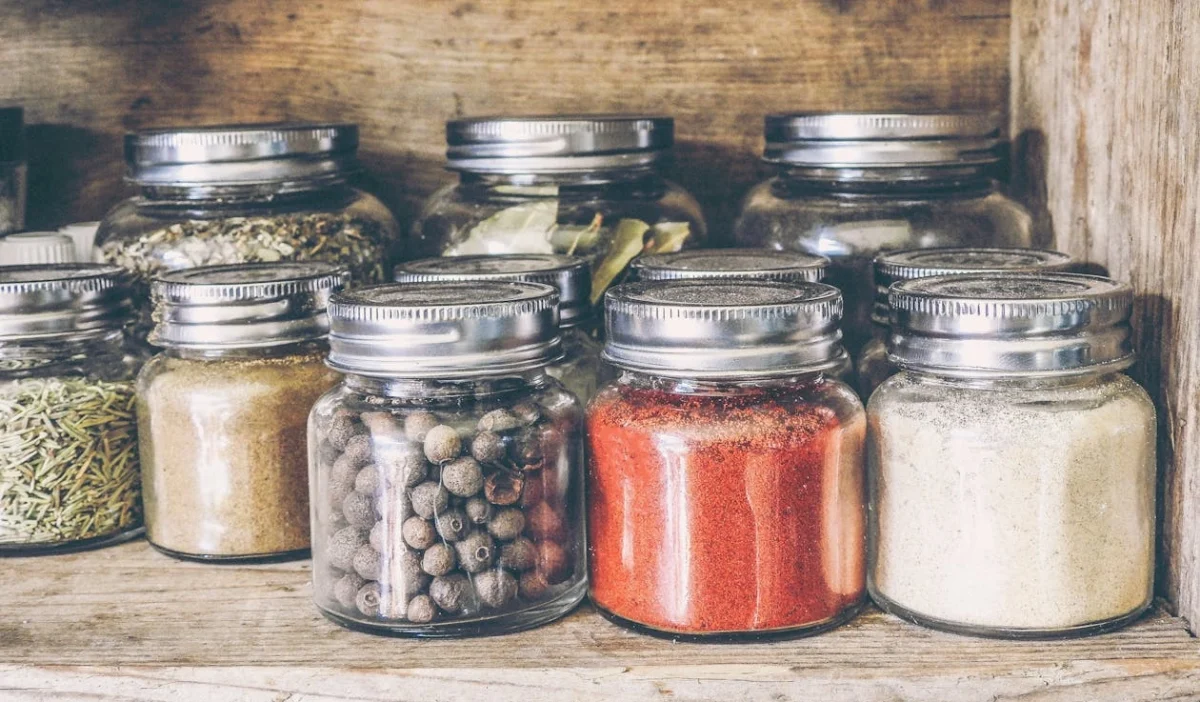
Keys to detecting quality botanicals:
- Native origin: Many artisan gins incorporate herbs, spices or fruits of their region. In the case of Vínica, Aragonese botanicals such as thyme, lavender and rosemary are used.
- Balance of aromas: A premium gin does not overuse juniper, but plays with subtle nuances of citrus, spices or herbs.
- Infusion process: Some gins use the “vapour infusion” method, in which the botanicals do not directly touch the liquid; rather, the alcohol vapours pass through them, producing more refined flavours.
4. Alcohol content: the definitive touch
The alcohol content can be a quality indicator. Many industrial gins are diluted to the minimum permitted (37.5% in the European Union) to reduce costs. In contrast, premium gins usually have a higher alcohol content (40–47%), allowing for greater concentration of aromas and better balance in cocktails.
5. The mouth experience: texture and aftertaste
The most noticeable difference between a premium and an industrial gin is perceived when tasting:
- Texture: A premium gin is usually silkier and rounder in the mouth, while an industrial one can feel rougher or more alcoholic.
- Aftertaste: In a premium gin, the flavours persist in a balanced way after the first sip, while an industrial one tends to leave a dominant alcoholic sensation.
6. Presentation and packaging: does it really matter?
Although the content is what really counts, a premium gin usually takes care of every detail of its presentation. Designer bottles, labels with detailed information about botanicals and processes, and even limited-distillation seals are signs of quality.
How do you know if a gin is premium?
If you want to make sure you are drinking a premium gin and not a well-disguised industrial version, follow these criteria:
- Refined and quality base alcohol (preferably wine-based or with differentiated ingredients).
- Multiple distillations and use of copper stills.
- Natural, well-selected and balanced botanicals.
- Alcohol content above 40%.
- Complex sensory profile, with round texture and prolonged aftertaste.
The market is full of options, but if you are looking for something more than a common gin, opt for those that offer an authentic story, an artisan process and an incomparable flavour. And if you want to go one step further, try a wine-based gin like Vínica, which transforms the experience into something truly memorable.
Share this post: